
When the head suffers an impact or gets jarred, the brain is also jarred and can be concussed. The most important question to ask is …
How severe is your concussion?
Part 1: Rate How You Feel?

Physical Symptoms: (0 – 10 scale)
Rate Your Physical Symptoms

Cognitive Symptoms: (0 – 10 scale)
Rate Your Cognitive Symptoms
Emotional Symptoms: (0 – 10 scale)
Rate Your Emotional Symptoms
Acute Concussion Evaluation
…is an innovative assessment tool that can be used for the evaluation of people who have a known or suspected concussion or mild TBI. Click below to download the ACE form.
https://www.cdc.gov/heads-up/media/pdfs/providers/ace_v2-a.pdf
2) Rate your Sleep?
Insomnia Symptoms: (0 -10 scale)
Rate Your Insomnia Symptoms
Insomnia Severity Index
… assessment tool with psychometric indicators to detect insomnia cases and evaluate treatment response.
3) Balance, Dizziness, Vertigo issues?
Includes Dizziness, Vertigo, BPPV and POTS.
Definitions: Dizziness [lightheaded], Vertigo [spinning sensations], BPPV [Benign Paroxysmal Postural Vertigo = spinning sensations from head movements like rolling over in bed] and POTS [Postural Orthostatic Tachycardia Syndrome = Dizziness, fatigue and increased heart rate from changing posture like sitting to standing]
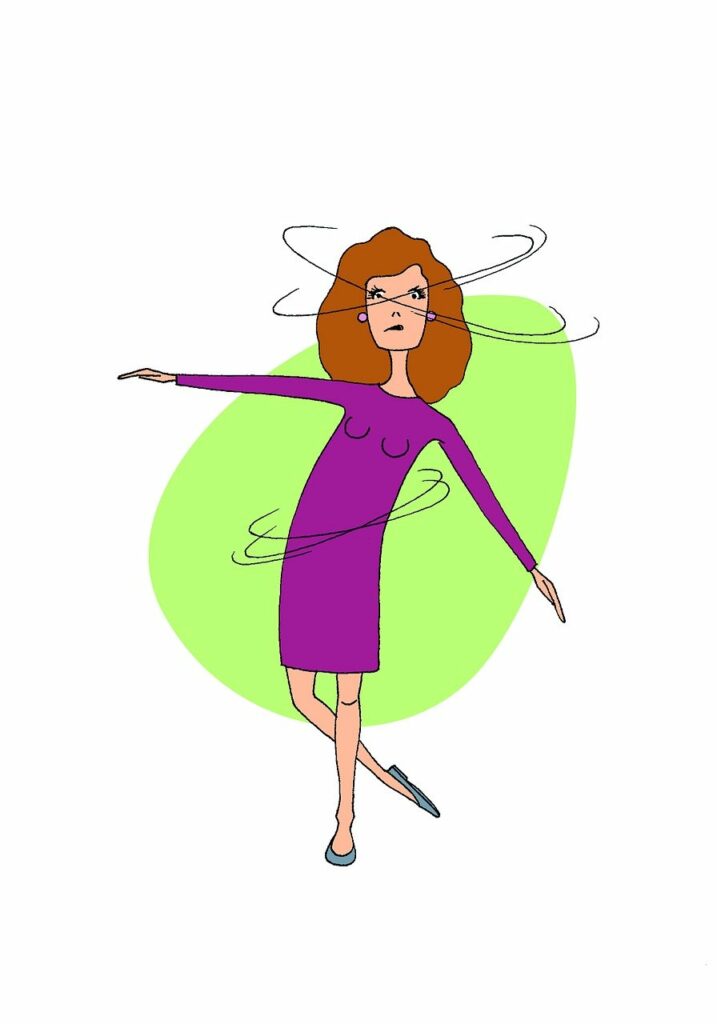
Dizziness Problems: (0 -10 scale)
Rate Your Dizziness Symptoms
Dizziness Handicap Inventory
… questionnaire to identify the difficulties that you may be experiencing due to dizziness or unsteadiness problems.
https://www.apta.org/contentassets/da3829b6f2b84d849045be88c880c654/dizzinesshandicapinventory.pdf
4) Feeling Anxious/Nervous?

Anxiety Concerns: (0 -10 scale)
Rate Your Anxiety Symptoms
A common subtype of anxiety includes social anxiety disorders (SAD). Social anxiety disorders includes fear and avoidance of social situations based on the concern of being watched, judged or humiliated. It may be accompanied with physical reactions of trembling, blushing, heart palpitations, and sweating. This type of anxiety can lead to personality and mood changes.
Generalized Anxiety Disorder (GAD – 7)
a self-reported questionnaire for screening and severity measuring of generalized anxiety disorder. Screens three other common anxiety disorders – panic disorder, social anxiety disorder and post-traumatic stress disorder.
https://www.uclahealth.org/sites/default/files/documents/GAD-7%202020.pdf
Part 2: Does My Brain Work?
Cranial nerve testing is helpful in monitoring for the progression or worsening of neurological processes.
TEST 1 – Visual Function Test
… evaluate for weakness of the muscles that control eye movements. [Cranial nerves 3, 4 and 6]
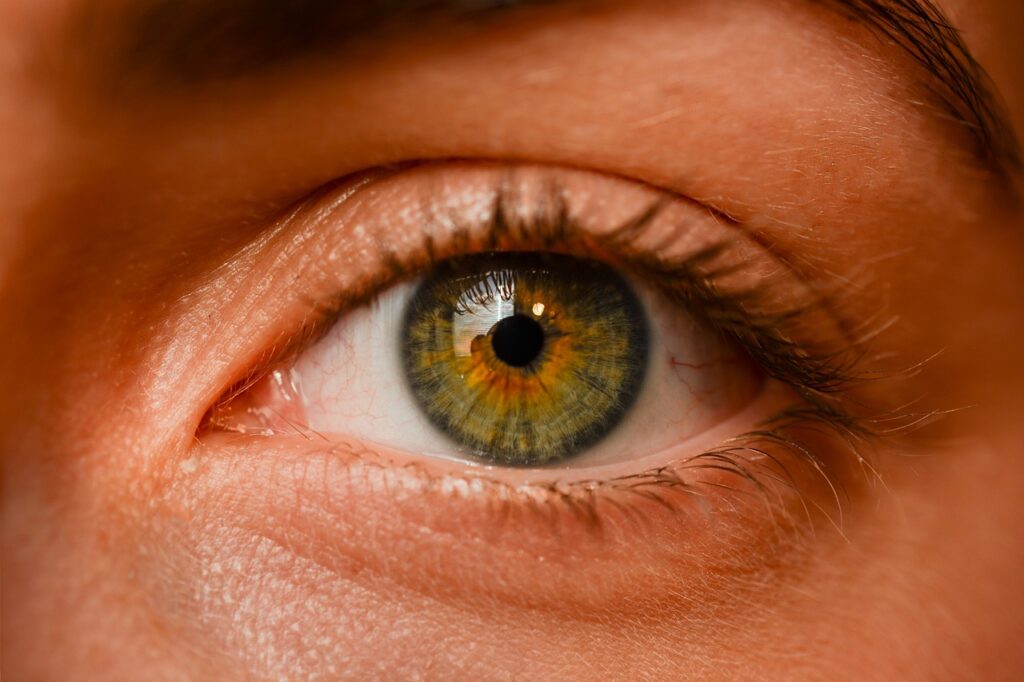
Physical Exam:
Without moving the head, look to each direction for three seconds and evaluate for any strain.
Rate Your Eye Function
TEST 2 – The Bite Test
… evaluate for a loss of strength of the jaw muscles on one side versus the other. [Cranial nerve 5]

Physical Exam:
Clench the jaw tight on one side (use a popsicle stick if needed) to evaluate the power of the jaw muscles (called the Masseter muscle). Compare the strength to the other side of the jaw. The strength should be relatively even on both sides. The weak side indicates a possible issue with the 5th cranial nerve.
Rate Your Jaw Strength
TEST 3 – The Cheek Puff Test
… evaluate for a loss of strength of the cheek muscles on one side versus the other. [Cranial nerve 7]
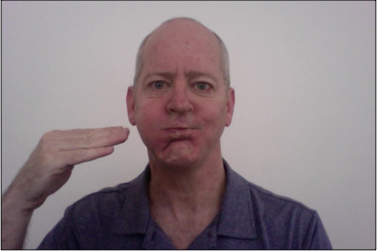
Physical Exam:
Puff the cheek out on one side. Push on the puffed cheek with your fingers to evaluate the power of the muscles to stay inflated. Compare the strength to the other side of the face. The strength should be relatively even on both sides. The weak side indicates a possible issue with the 7th cranial nerve.
Rate Your Cheek Function
TEST 4 – The Uvula Test
… evaluate for a loss of strength of the muscles that elevate the uvula. (Uvula = the little fleshy hanging ball in the back of your throat) [Cranial nerve 10]
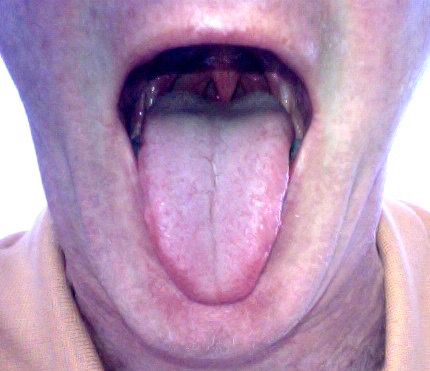
Physical Exam:
Use a mirror or videocamera to visualize the movement of the uvula. Open the mouth and say, “Aah.” Determine whether the palate elevates symmetrically and the uvula remains in the midline. If weakness is present, the uvula will lift away from the weak side.
Rate Your Uvula Function
TEST 5 – The Tongue Test
… evaluate for a loss of strength of the muscles that control the tongue. [Cranial nerve 12]
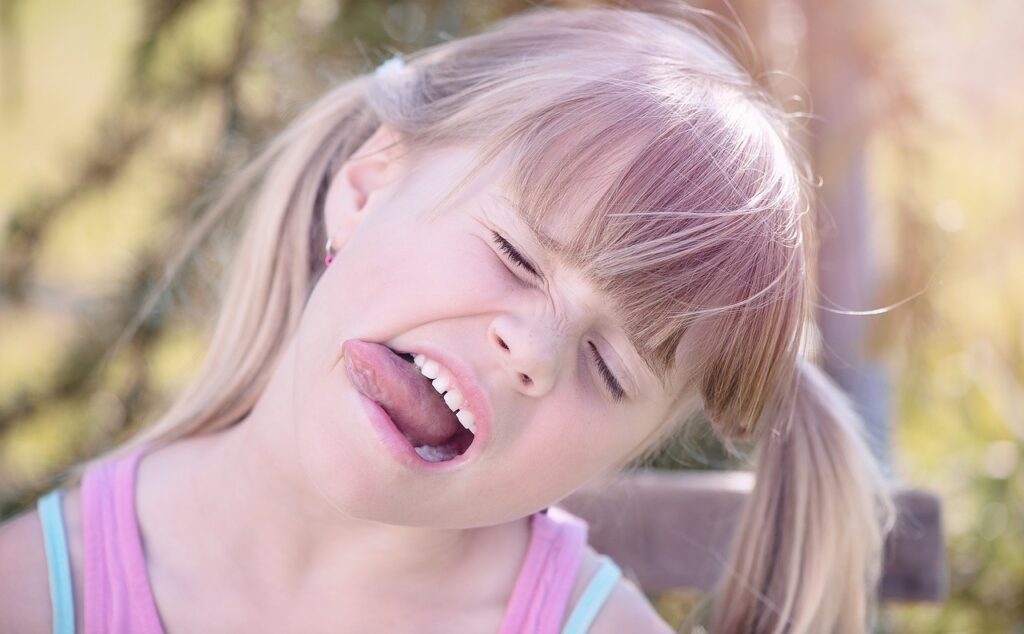
Physical Exam:
Press the tongue firmly into the cheek on one side. Press hard with your fingers on the protruding tongue to push it back into the mouth. Compare the strength on each side. They should have even strength.
Rate Your Tongue Function
TEST 6 – Head Shake Test
… evaluate eye coordination and your balance in response to a challenging task.
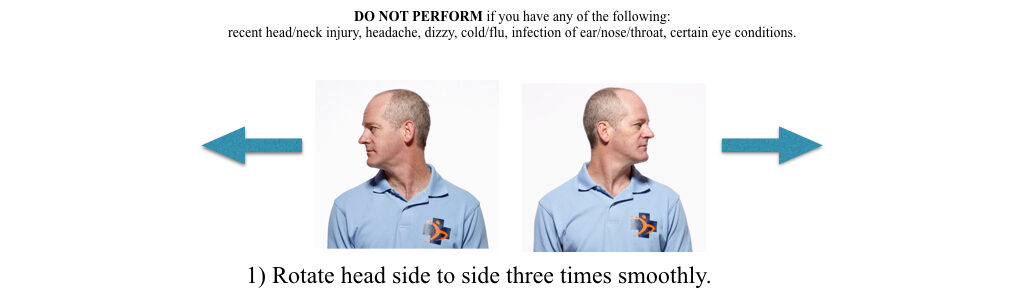
Physical Exam:
While seated, you will rotate the nose towards each shoulder alternately 3 times each. Perform in a smooth continuous motion from side to side. Do not rotate more than 45 degrees to each side.
Round 1) Perform slowly with the eyes closed. If you experience any of the below symptoms, skip Round 2.
Round 2) Perform head rotations quickly with the eyes closed.
Round 3) Maintain visual focus on a target in front of you while you perform head rotations slowly. If you experience any of the below symptoms, skip Round 4.
Round 4) Repeat Round 3 with quick head rotations. Do you experience any of the below sensations:
Rate Your Head Shake
TEST 7 – The Jaw Function Test
… evaluate for a loss of strength of the muscles that control jaw movements.

Physical Exam:
Without moving the head, shift the jaw to each side looking for weakness, clicking or popping. Without moving the head, jut the jaw forward looking for weakness, clicking or popping. Without moving the head, open the jaw as wide as possible looking for the jaw to shift to one side, weakness, clicking or popping.